

What “Learning Remote Skills” Actually Means
Remote employers don’t hire based on:
how long you studied,
how many courses you completed,
or how impressive your certificates look on paper.
They hire based on:
what you can do,
how you think, and
whether you can work independently.
Learning remote skills means learning how to:
apply knowledge to real problems,
show proof of work,
communicate clearly,
and keep learning as the job evolves.
That’s true whether you’re pursuing:
coding,
data analysis,
digital marketing,
design,
or other remote-friendly roles.
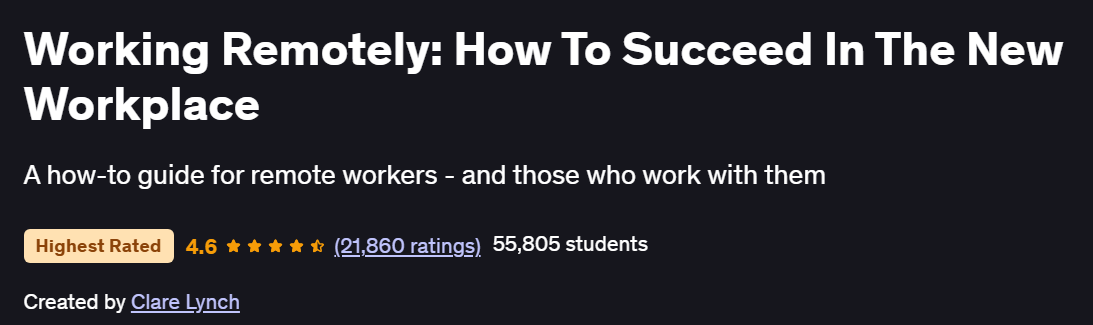
The Three Learning Paths Most People Take
Almost everyone learns remote skills through one (or a combination) of these paths.
Each has strengths and weaknesses.

1. Structured Programs (Bootcamps & Guided Paths)
Structured programs give you:
a defined curriculum,
a clear sequence,
deadlines and milestones,
and guidance on what matters vs what doesn’t.
They work best for people who:
want clarity,
need accountability,
are switching careers,
or don’t want to guess what to learn next.
Trade-offs
Requires time commitment
Costs more than pure self-study
You must still do the work yourself
A good structured program focuses on job readiness, not just content completion.
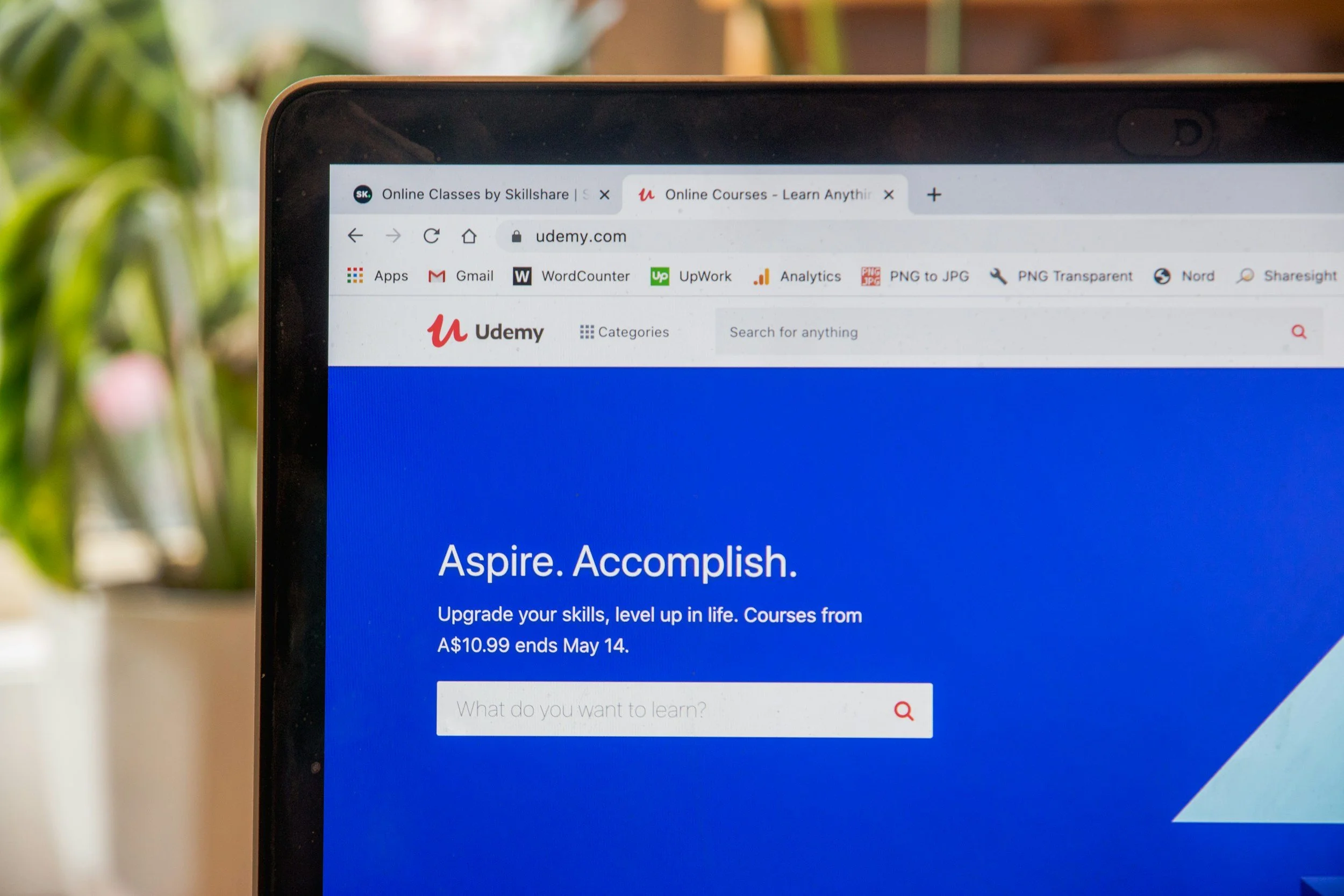
2. Self-Study & DIY Learning
Self-study can include:
online courses (Udemy, Coursera, freeCodeCamp, etc.)
documentation and tutorials
personal projects
open-source contributions
This path works well for people who:
are highly self-directed,
already have some technical background,
or enjoy experimenting and researching.
Trade-offs
Easy to get lost
No external accountability
Harder to know when you’re “ready”
Many people stall here because they keep learning without applying.
3. Hybrid Learning (Most Effective for Career Switchers)
A hybrid approach combines:
structured guidance for direction,
self-study for flexibility,
and real projects for proof.
This is the most common path for people who:
are changing careers,
are learning while working another job,
or want long-term skill growth.
The key is sequencing — learning the right things before adding complexity.
Proof of Skill Matters More Than Credentials
In remote hiring, proof beats promises.
Employers care less about:
where you learned,
how long you studied,
or whether you have a degree.
They care more about:
projects,
problem-solving ability,
communication,
and adaptability.
That’s why portfolios, GitHub repositories, case studies, and practical exercises matter so much.
Learning remote skills means learning how to show your work, not just talk about it.

What Employers Look For (Across Remote Roles)
Regardless of the field, remote-ready candidates usually demonstrate:
Problem-solving
Can you break down unclear problems and move forward?Independent work habits
Can you make progress without constant supervision?Clear communication
Can you explain your thinking and decisions?Adaptability
Can you learn new tools and workflows as things change?
These skills are developed through practice, not passive learning.
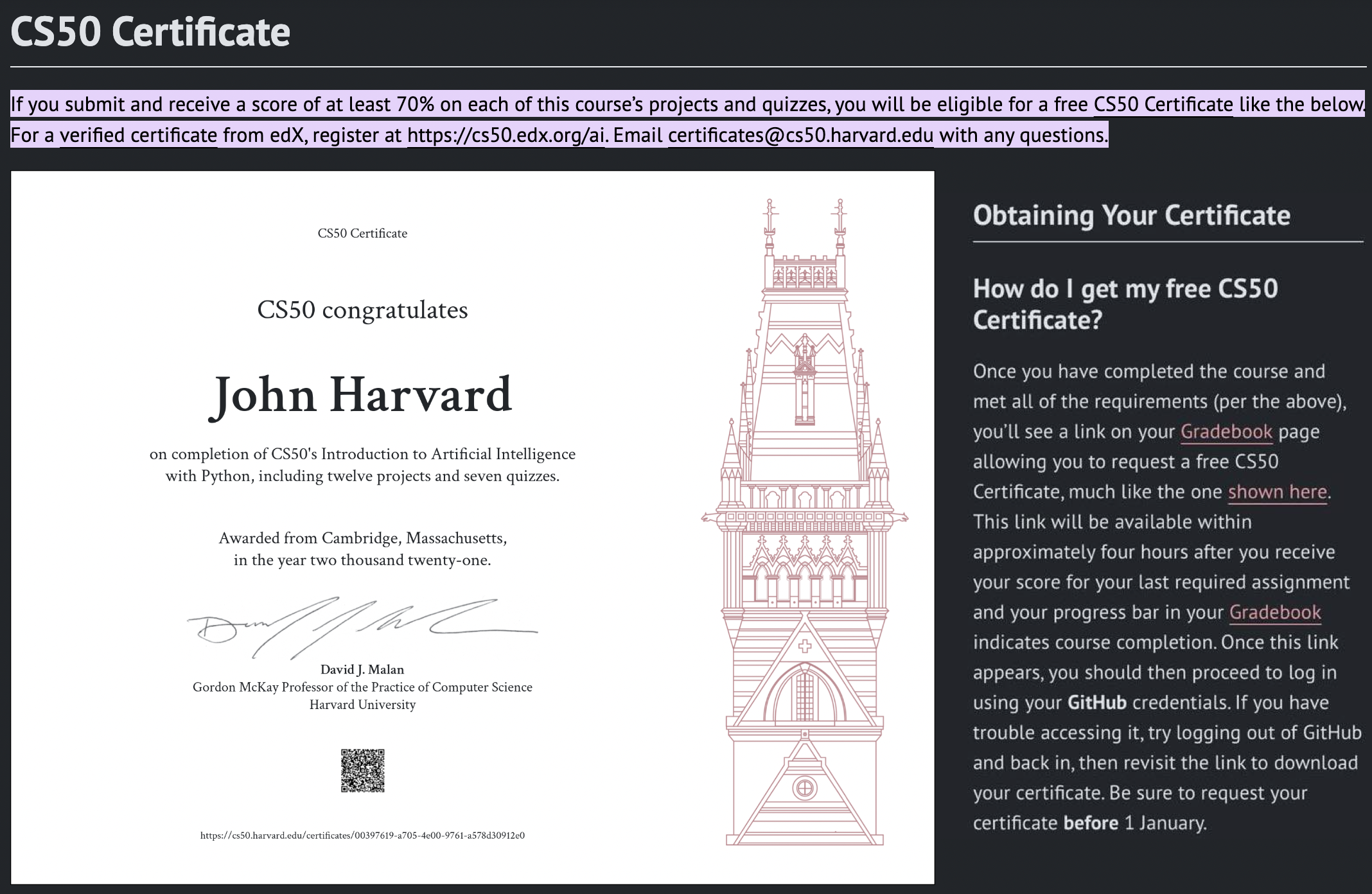
Certifications: Helpful, but Not a Silver Bullet
Certifications can help:
validate foundational knowledge,
signal seriousness,
and get past automated filters.
They matter most when they:
align directly with the role,
are recognized by employers,
and are supported by real projects.
Certifications without applied work rarely move the needle on their own.
Learning While Working (The Reality Most People Face)
Most career-switchers aren’t learning full-time.
They’re:
working another job,
caring for family,
or juggling multiple responsibilities.
That’s normal.
The key isn’t speed — it’s consistency.
Even:
60–90 focused minutes per day,
applied to the right skills,
compounds faster than sporadic cramming.
Learning remote skills is a marathon, not a sprint.
Where Remote Coding Fits Into Skill Learning
Among remote skills, coding stands out because:
it’s globally in demand,
it scales across industries,
and it rewards structured learning particularly well.
But it also:
requires discipline,
demands practice,
and benefits from guided progression.
If coding is the path you’re considering, the next page dives into that specifically.
When You’re Ready for Structure
If you want:
a clear learning sequence,
job-focused projects,
guidance on what actually matters,
and a path that fits around real life,
the Remote Coding Membership brings learning, practice, and job readiness together in one place.
It’s designed for people who want:
clarity instead of overwhelm,
progress instead of perfection,
and skills that translate into real remote work.
Final Thought
Learning remote skills isn’t about becoming “good enough someday.”
It’s about starting imperfectly, applying what you learn, and building momentum.
The right path is the one you can stick with —
and the one that moves you closer to the life you actually want.

Where to Go Next
Depending on where you are right now:
Start Learning - choose the path that works best for you
Job Search & Hiring Reality - understand how people actually get hired remotely
Remote Coding - a deeper look at the most scalable remote income option
If you already know you want a structured, self-paced path that brings learning, projects, and job readiness together:











Many countries allow legal residency using retirement income, SSDI, VA benefits, or 401(k) withdrawals. Updated pathways and student visa options for 2026.