

First, the Hard Truth About Remote Job Hunting
Most people approach remote job searching like this:
apply to dozens (or hundreds) of listings
tweak their resume once
wait
assume silence means they’re unqualified
In reality, most rejections (or non-responses) have nothing to do with your potential.
They happen because:
automated filters never pass your application to a human
your resume doesn’t clearly signal “remote-ready”
you’re competing in pools of thousands
you’re relying too heavily on job boards alone
Remote hiring is competitive - but it’s also predictable once you understand the system.
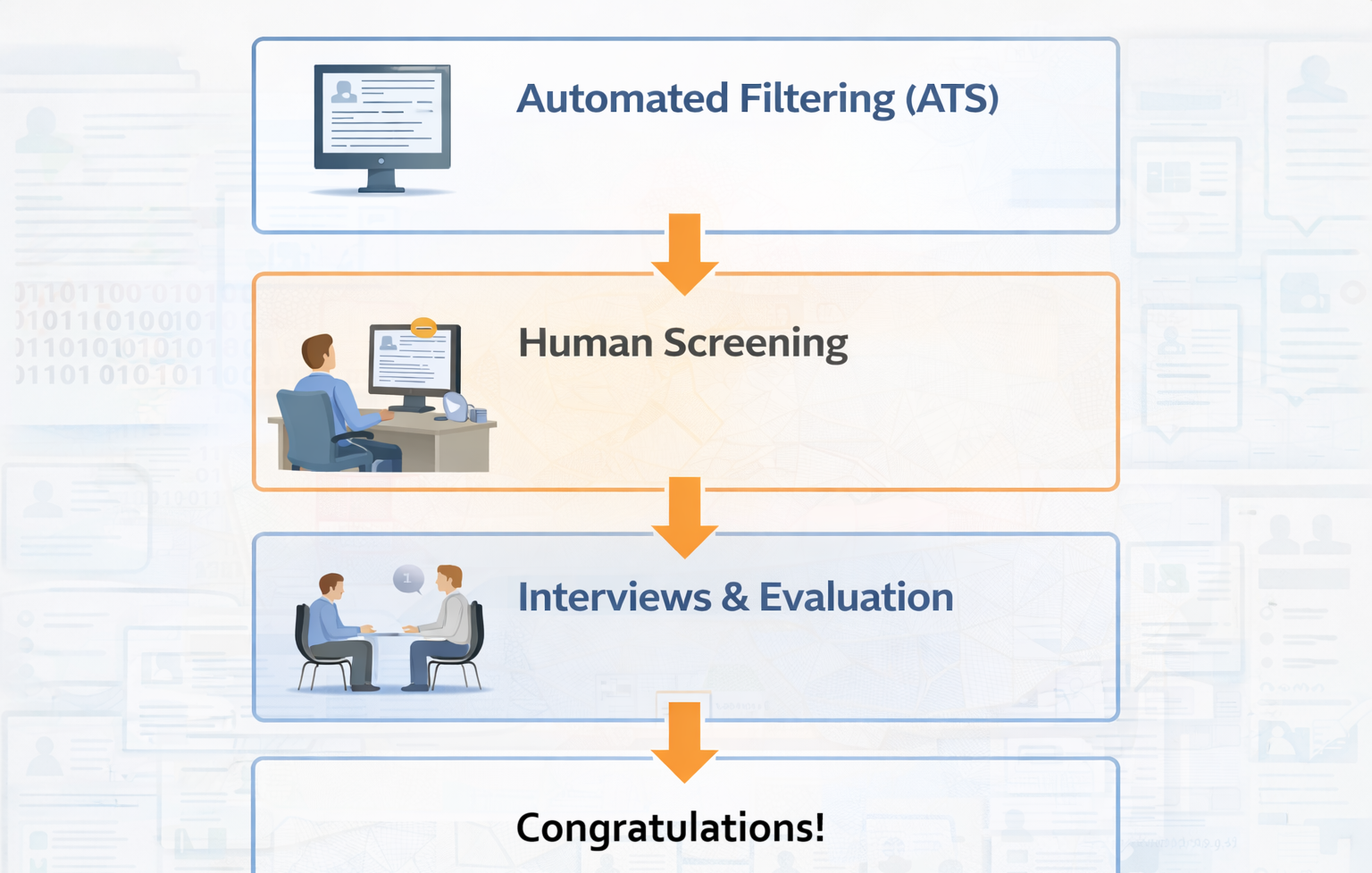
How Remote Hiring Actually Works
Most remote hiring happens in layers, not a straight line.
Layer 1: Automated Filtering (ATS)
Your resume is scanned for:
keywords
role alignment
signals of experience or proof
If it doesn’t match closely enough, no human ever sees it.
Layer 2: Human Screening
If your resume passes filters, a recruiter looks for:
clarity
relevance
proof of work
signals that you can work independently
Layer 3: Interviews & Evaluation
Companies assess:
how you think
how you communicate
how you solve problems
how you handle ambiguity
Understanding these layers changes how you prepare.

Why “Apply to More Jobs” Is Bad Advice
Mass-applying often backfires because:
it forces generic resumes
it prevents customization
it burns time without increasing signal quality
Strong candidates focus on:
fewer, better-matched roles
clearer positioning
stronger proof of work
better targeting
Remote hiring rewards clarity, not desperation.

What Employers Look for in Remote Candidates
Across industries and roles, remote employers consistently prioritize:
Proof over promises
What have you built, shipped, analyzed, or solved?Clear communication
Can you explain what you did and why?Independent work habits
Can you make progress without constant supervision?Adaptability
Can you learn new tools and workflows quickly?
Degrees and credentials matter far less than most people expect - especially for remote roles.

Resumes for Remote Roles (The Big Difference)
Remote resumes are not just “normal resumes, but remote.”
They need to:
emphasize outcomes, not duties
highlight independent or asynchronous work
clearly show relevant skills and tools
remove unrelated clutter
For career switchers or beginners, this often means:
focusing on skills and projects first
downplaying unrelated job history
clearly signaling your new direction
A resume’s job isn’t to tell your life story.
It’s to earn a conversation.

Cover Letters: Still Relevant (When Done Right)
Despite what you may hear, cover letters still matter - especially for remote roles.
Not because they’re long, but because they:
show intent
demonstrate communication
explain context
humanize your application
A strong cover letter:
connects your background to the role
explains why you’re applying
makes it easy to say “yes” to an interview
Generic cover letters are ignored.
Thoughtful ones stand out.

Interviews: What Remote Interviews Are Really Testing
Remote interviews aren’t just about technical skill.
They’re testing:
how you think out loud
how you handle uncertainty
how you explain decisions
how you collaborate and adapt
Behavioral interviews matter as much as technical ones - sometimes more.
Interview success often comes down to:
structured answers
clear examples
and calm communication under pressure
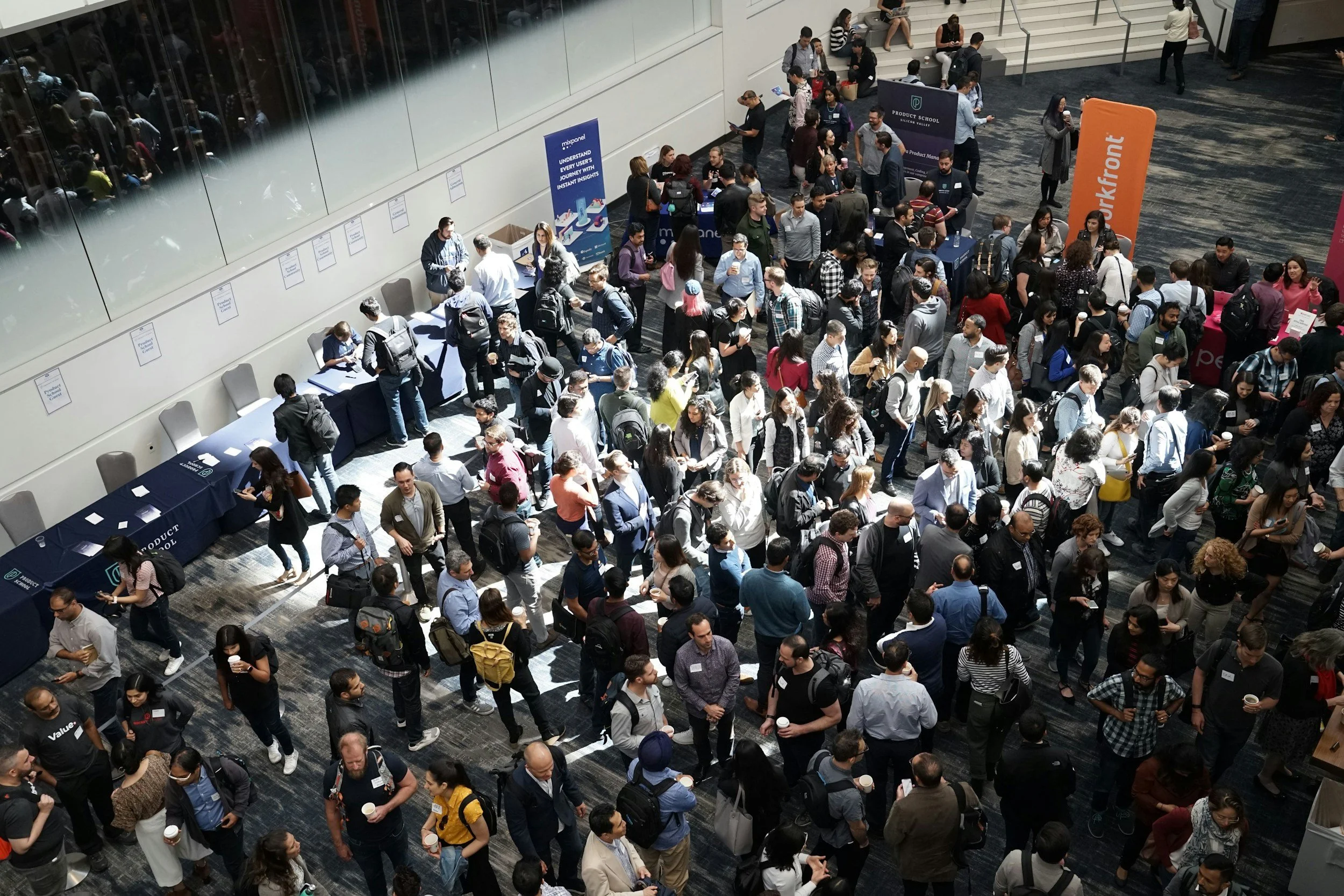
Networking: The Hidden Remote Job Market
Here’s a reality most people miss:
A large percentage of remote jobs are never posted publicly.
They’re filled through:
referrals
internal recommendations
prior relationships
community connections
Networking doesn’t mean:
asking strangers for jobs
spamming recruiters
pretending to be someone you’re not
It means:
building real connections
learning from others’ paths
being visible and helpful over time
Your next opportunity is often one conversation away, not one application away.
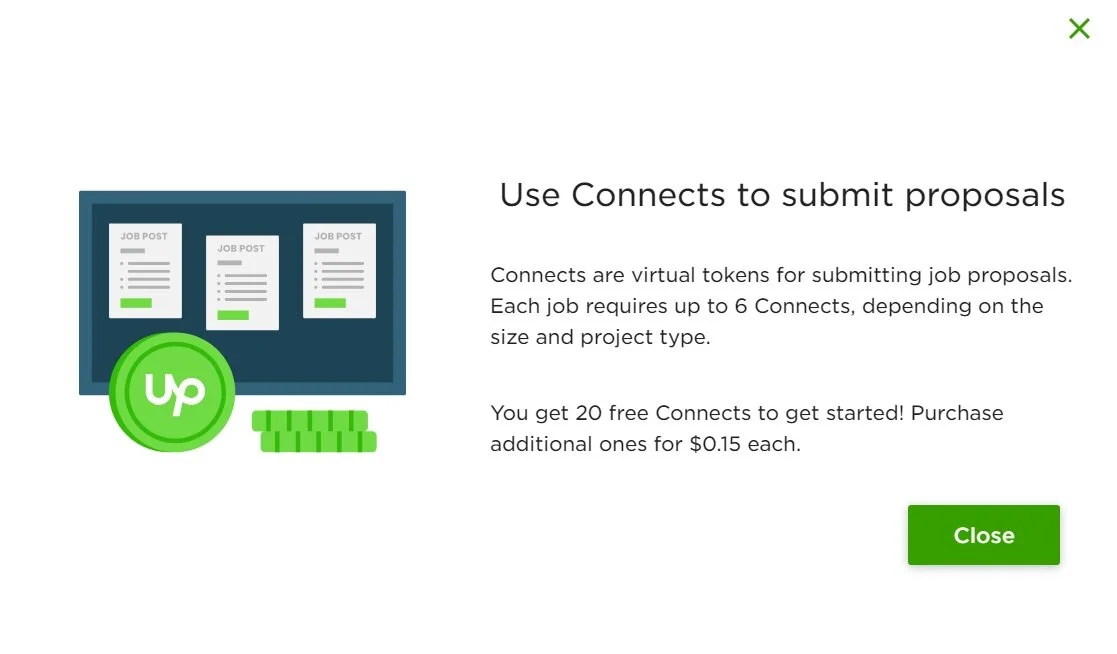
Freelancing vs Full-Time Remote Work
Both paths are valid - but they require different strategies.
Full-Time Remote Roles
more stability
predictable income
structured hiring processes
slower entry, but clearer progression
Freelancing / Contract Work
faster entry
more flexibility
income variability
client acquisition responsibility
Many people use freelancing as:
a bridge
a proof-building phase
or a long-term preference
The “best” path depends on your goals and risk tolerance.
Job Boards: Useful, but Not Enough
Remote job boards can help - but they’re not the whole strategy.
They’re best used for:
identifying companies
understanding role requirements
spotting trends
Relying on them alone often leads to frustration.
The strongest candidates combine:
targeted applications
direct outreach
referrals
and visible proof of work
If You’re Feeling Stuck, That’s Normal
Most people don’t struggle because they lack ability.
They struggle because:
no one explained the system
they don’t know where to focus
they don’t know what to improve next
That’s not a personal failure - it’s an information gap.
Where Structure Helps
If you want:
guidance on how to position yourself
help choosing realistic target roles
clarity on what actually matters
a system instead of guesswork
that’s where structured programs come in.
Inside the Remote Coding Membership, job readiness is integrated with skill-building and projects - so you’re not preparing in a vacuum.
Final Thought
Remote hiring isn’t about being perfect.
It’s about being clear, prepared, and intentional.
Once you understand how the system works, it becomes far less intimidating - and far more navigable.
You don’t need to apply everywhere.
You need to apply well, in the right places, with the right signal.

Where to Go Next
Depending on where you are right now:
Learn Remote Skills - if you’re still building foundations
Remote Coding - if you want a stable, scalable remote path
Remote Career Paths - if you’re still deciding what fits
