
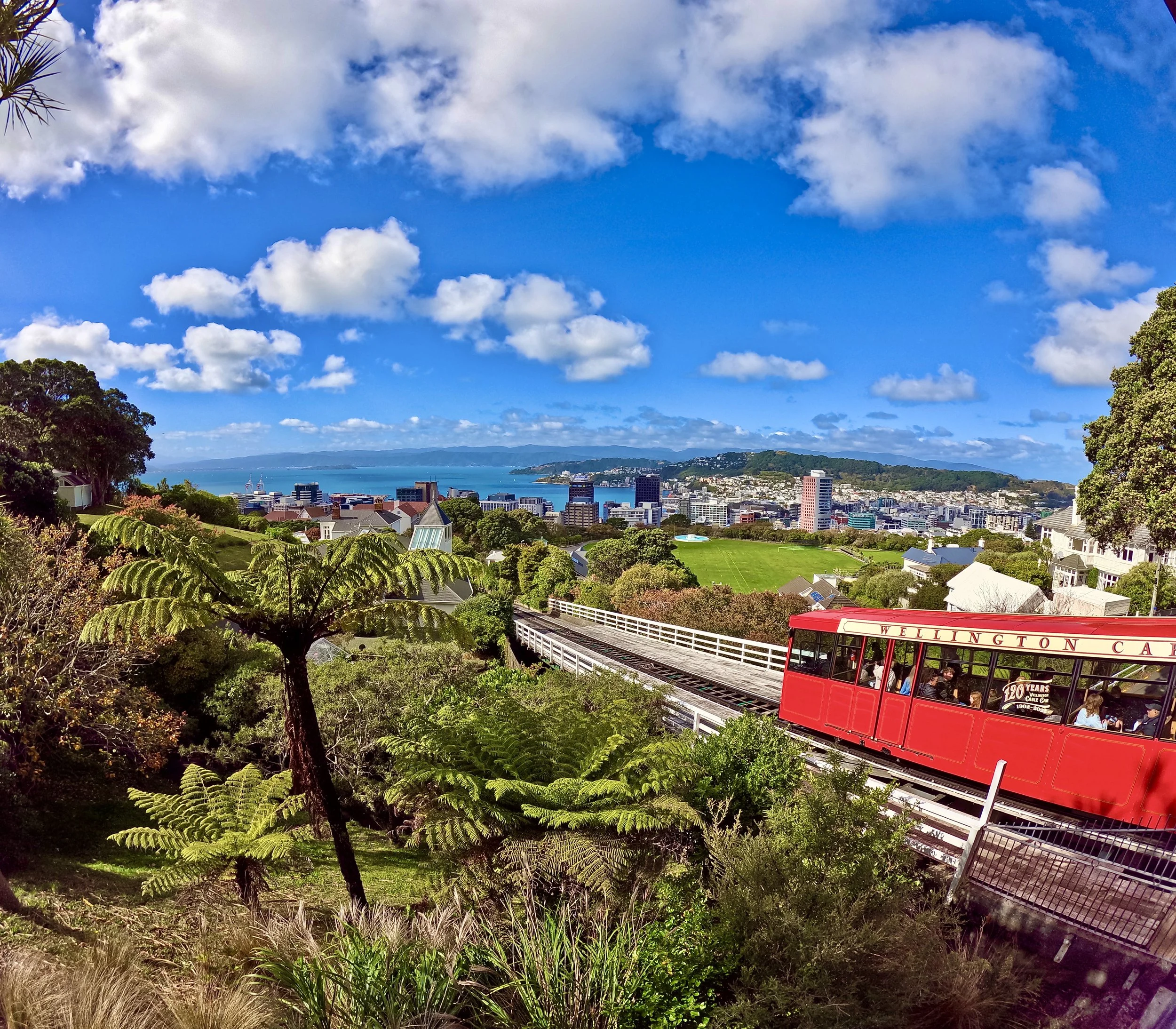
Wellington, New Zealand: A Local-First Guide to the Capital
Wellington isn’t a city you rush through. It’s a place you settle into, especially once you step slightly outside the CBD.
For travelers who value walkability, local food, quiet Nature, and lived-in neighborhoods, the eastern edge of Wellington Harbour and the Hutt Valley offer something rare: access without overwhelm.
This guide focuses first on Eastbourne and Lower Hutt - two areas that show what everyday life around Wellington actually feels like.
Wellington works best when understood not just as a compact CBD, but as a network of bays, valleys, and neighborhoods that shape how people actually live day to day.
Why Look Beyond Wellington CBD?
Wellington’s compact downtown is famous for cafes, museums, and wind. But the real magic starts when you follow the harbour east or the river north - into areas that shape daily life beyond the city core.
Eastbourne and Lower Hutt offer:
Fewer crowds
More Nature per square meter
Strong local food scenes
Easy access to central Wellington without living in it
They’re ideal for:
Slow travelers
Families
Remote workers
Anyone who prefers calm over constant stimulation
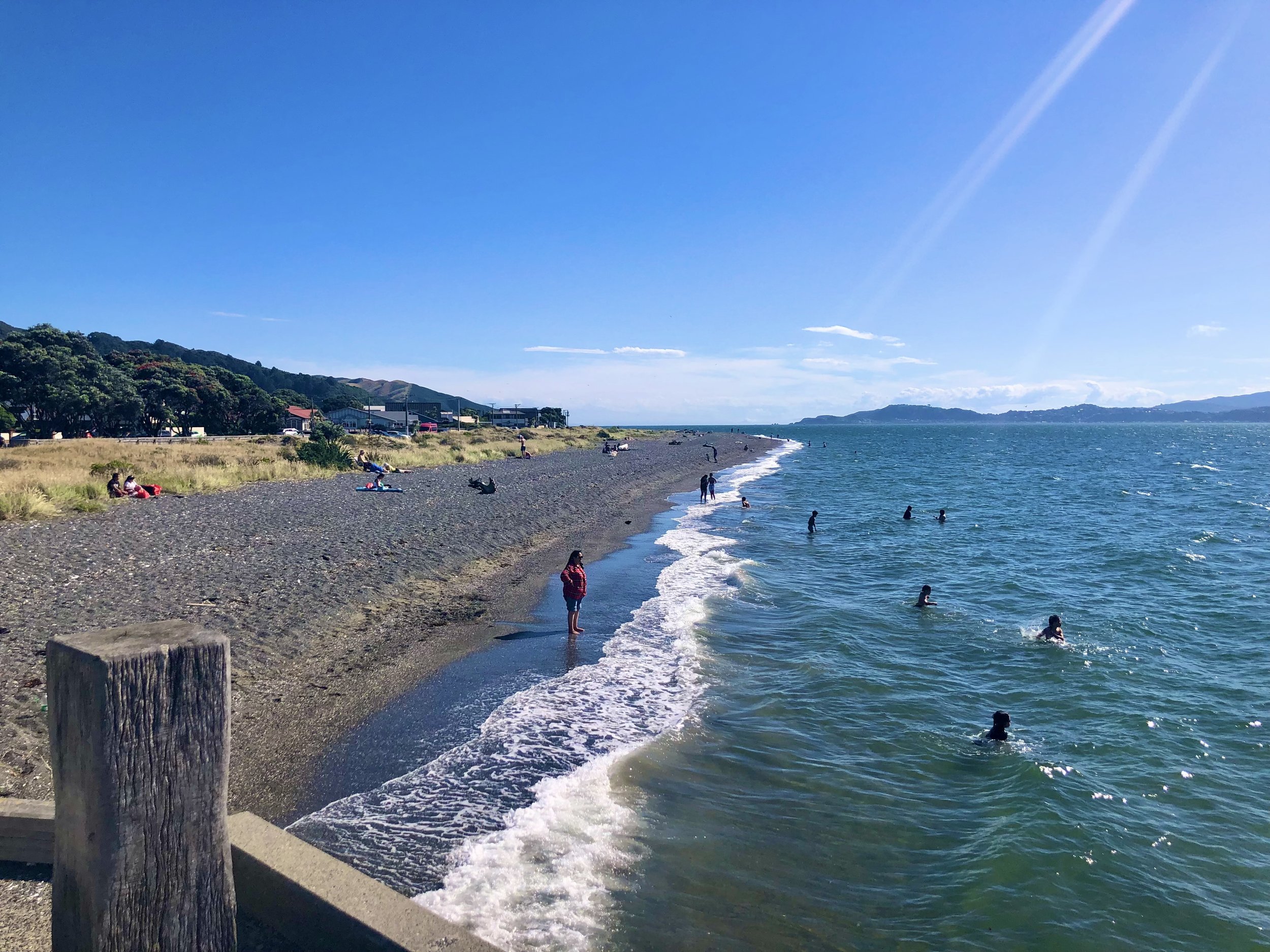
Eastbourne: Coastal Village Energy, Minutes from the City
What Eastbourne Feels Like
Eastbourne feels more like a seaside village than a suburb. It sits directly across Wellington Harbour, backed by forested hills and fronted by long, pebbled beaches.
It’s quiet in the best way:
Morning swimmers
Dog walkers
Cyclists hugging the coastline
Locals who know each other by name
You’re close to the capital without feeling pulled into it.
Nature & Walking
Eastbourne borders East Harbour Regional Park, giving immediate access to:
Coastal walking tracks
Forest hikes
Lookouts over the harbor
This is one of the easiest places in the Wellington region to integrate Nature into daily life rather than treating it as a weekend activity.
Food & Local Life
Eastbourne isn’t about restaurant density - it’s about community rhythm:
Independent cafes
Takeaway spots locals rely on weekly
Small businesses that feel embedded, not transactional
Eastbourne’s small food scene reflects the same values that define Wellington more broadly: independent ownership, regulars over rushes, and places that earn loyalty slowly.
This is the kind of place where supporting local businesses isn’t a slogan - it’s unavoidable.
Getting to Wellington
Short ferry ride across the harbor
Scenic drive around the bays
Easy bus connections
You can be in central Wellington quickly, then retreat back to calm by evening.
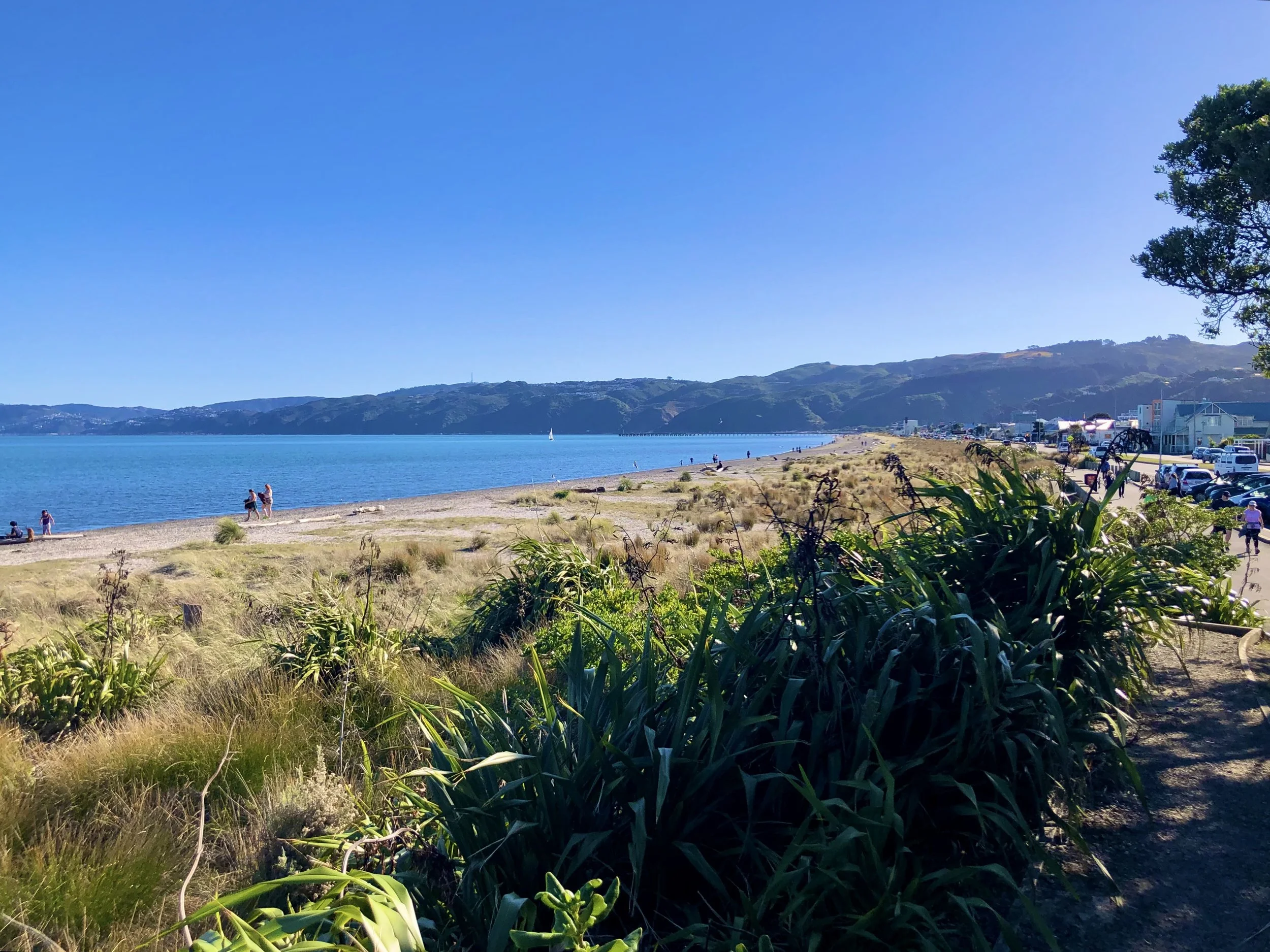
Lower Hutt: Practical, Green, and Underrated
Lower Hutt doesn’t try to impress, and that’s exactly its strength.
What Lower Hutt Gets Right
Lower Hutt is:
More spacious than Wellington CBD
Easier to navigate
Less performative
It’s a place people live, not just visit.
The River as a Spine
The Hutt River Trail follows the Hutt River (Te Awa Kairangi) through the city, shaping daily life with:
Long walking and cycling paths
Open green space
Quiet pockets minutes from shops
This makes Lower Hutt feel breathable in a way many capitals don’t.
Neighborhoods to Know
While this page won’t deep-dive yet, here are a few of note:
Petone (historic, food-forward, waterfront)
Waterloo
Woburn
Each has its own micro-identity without feeling fragmented.
Food Scene (Low Hype, High Reliability)
Lower Hutt’s food culture is about:
Consistency
Value
Local loyalty
You’ll find bakeries, cafés, and eateries that survive because locals return - not because tourists rotate through.
Several Lower Hutt neighborhoods have developed food scenes of their own, shaped as much by routine as by reputation.
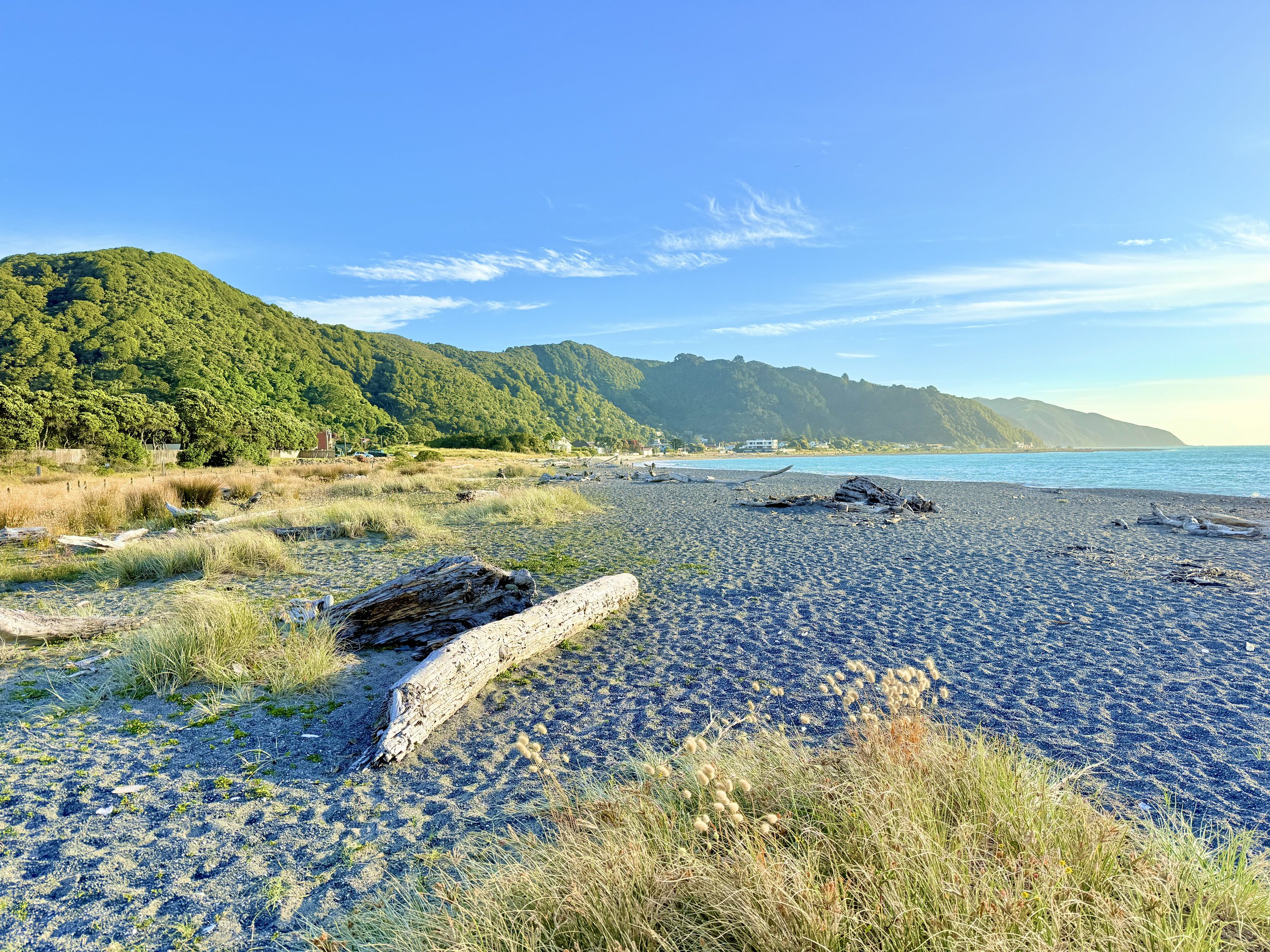
Eastbourne vs Lower Hutt: Which Fits You?
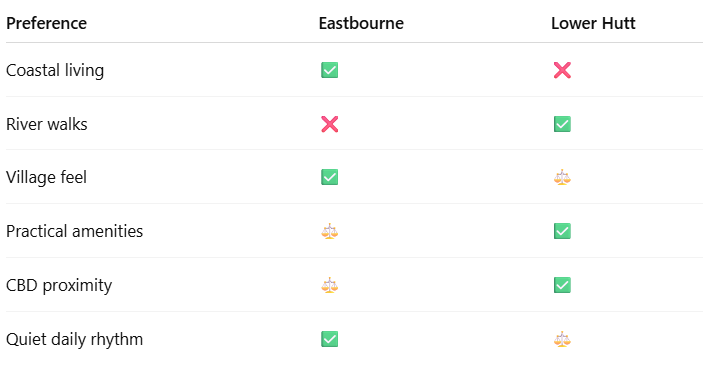
Many people start in one and spend time in the other - they complement rather than compete.
How These Areas Fit into Greater Wellington
Both Eastbourne and Lower Hutt work best when seen as extensions of Wellington, not alternatives to it.
They offer:
Space without isolation
Nature without remoteness
Community without small-town stagnation
And they make Wellington more liveable by absorbing pressure away from the CBD.
Eastbourne and Lower Hutt are only the starting point. Wellington’s character is shaped by many neighborhoods, each worth understanding on its own terms.