
Finding Community Abroad
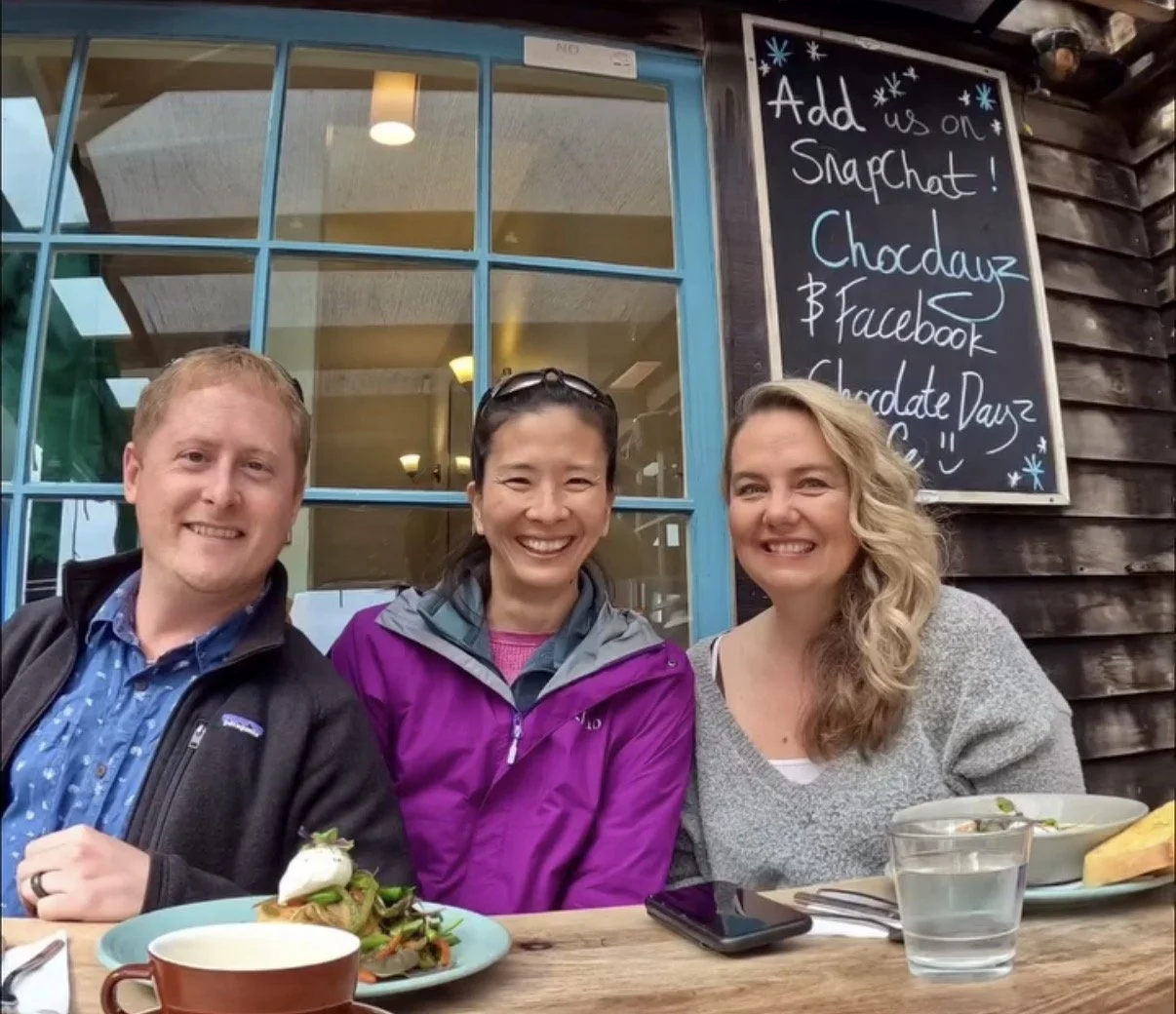
Days Bay, April 2024: lunch with Tara of Kiwiamericans. Community rarely turns up where you expect it.
The hardest part of moving abroad usually isn't the visa or the money. It's walking into a place where nobody knows your name. Community doesn't come with the move. You have to go and find it, and it rarely turns up where you expect.
The cost nobody budgets for
We budgeted everything for five years of slow travel, down to the dollar. What we didn't budget for was being alone. Moving every one to three months meant we were always the new people. We'd just start to know someone, and it was time to go.
That's fine for a while. It's freeing, even. But over years it wears thin, especially once kids arrive. You want someone to call when a child is sick at 2 am. You want someone who knows how things work, and someone who'll notice if you're gone.
When we settled in New Zealand in 2023, we had each other and two small kids, and almost nobody else.
Community isn't one thing
What we eventually found wasn't one group of friends. It was layers:
People who'd done it before. Other Americans and other movers who'd been through the visas, the rentals and the culture shock.
People with the same interests, whatever their background.
Neighbors and regulars: the people you see every week at the café, the school gate or the barber's chair.
Locals who invite you in, which is where belonging starts.
You need all of them, for different things. The rest of this guide covers where we found each one, and how you can find yours.
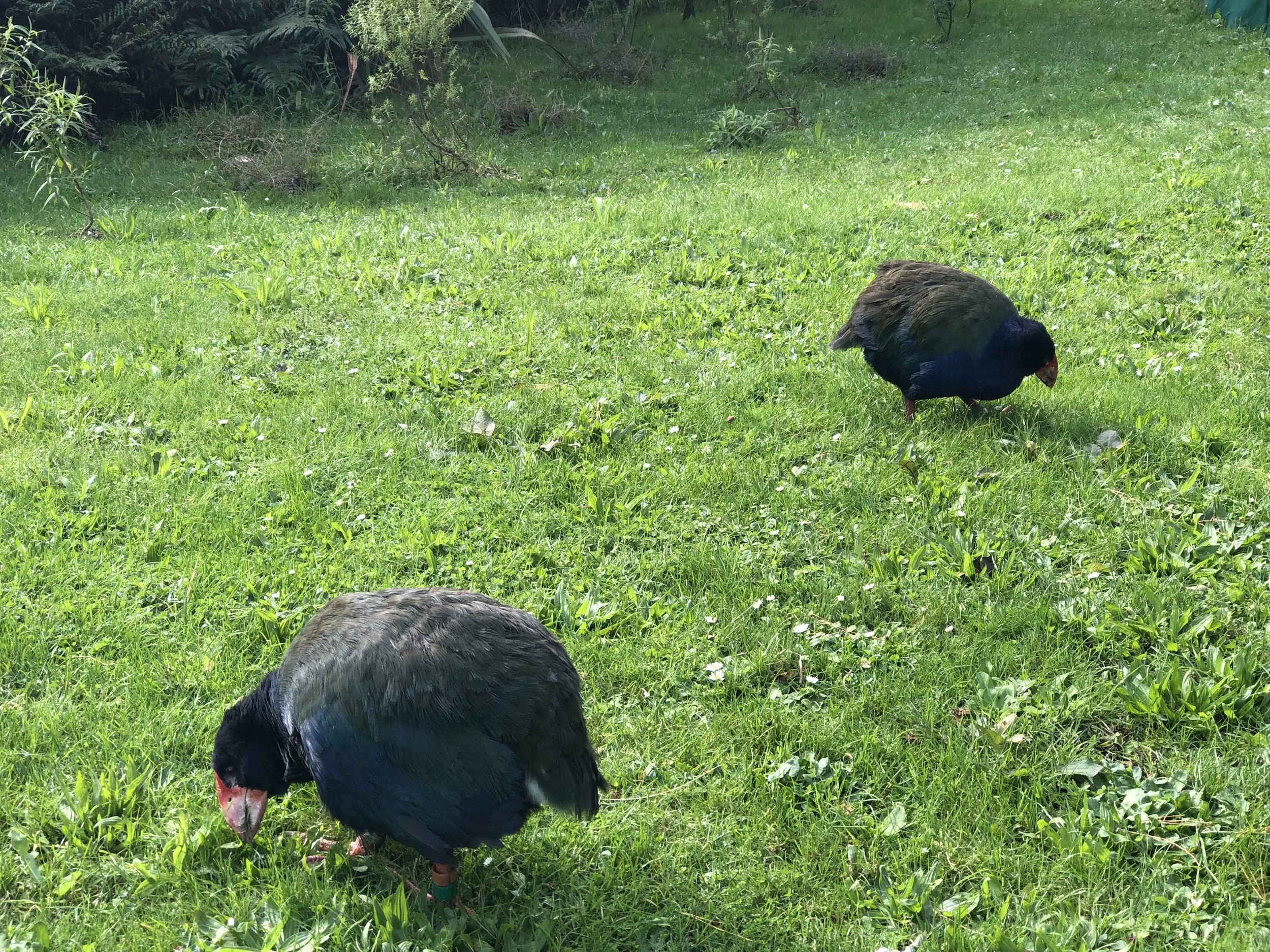
Takahē at Zealandia, April 2023. Locals know the places worth showing you.
Where we actually found community
Looking back, almost none of it came from places designed for meeting people. It came from saying yes to strangers who were kind first.
Hosts who became the reason we had a home
While Bradley was in Wellington for job interviews in 2023, he stayed at an Airbnb. The host offered to give our whole family a tour of Zealandia, the city's fenced wildlife sanctuary, and spent a day walking us through it. The kids met Kea and Wētā, and missed the Tuatara because it was too cold.
Around the same time, a different Airbnb host called to ask if we'd like to rent a friend's house. Then that friend offered us their home for a full year, at the price we'd hoped to pay. It had a forest path up the hill, a deck over the harbor, and stars at night. We'd already signed on another place, and we gave up the deposit to take it. We lived there for three years.
A couple of kind strangers shaped our whole life in New Zealand. Hosts, landlords and neighbors are often the first community you'll have. Treat them that way.
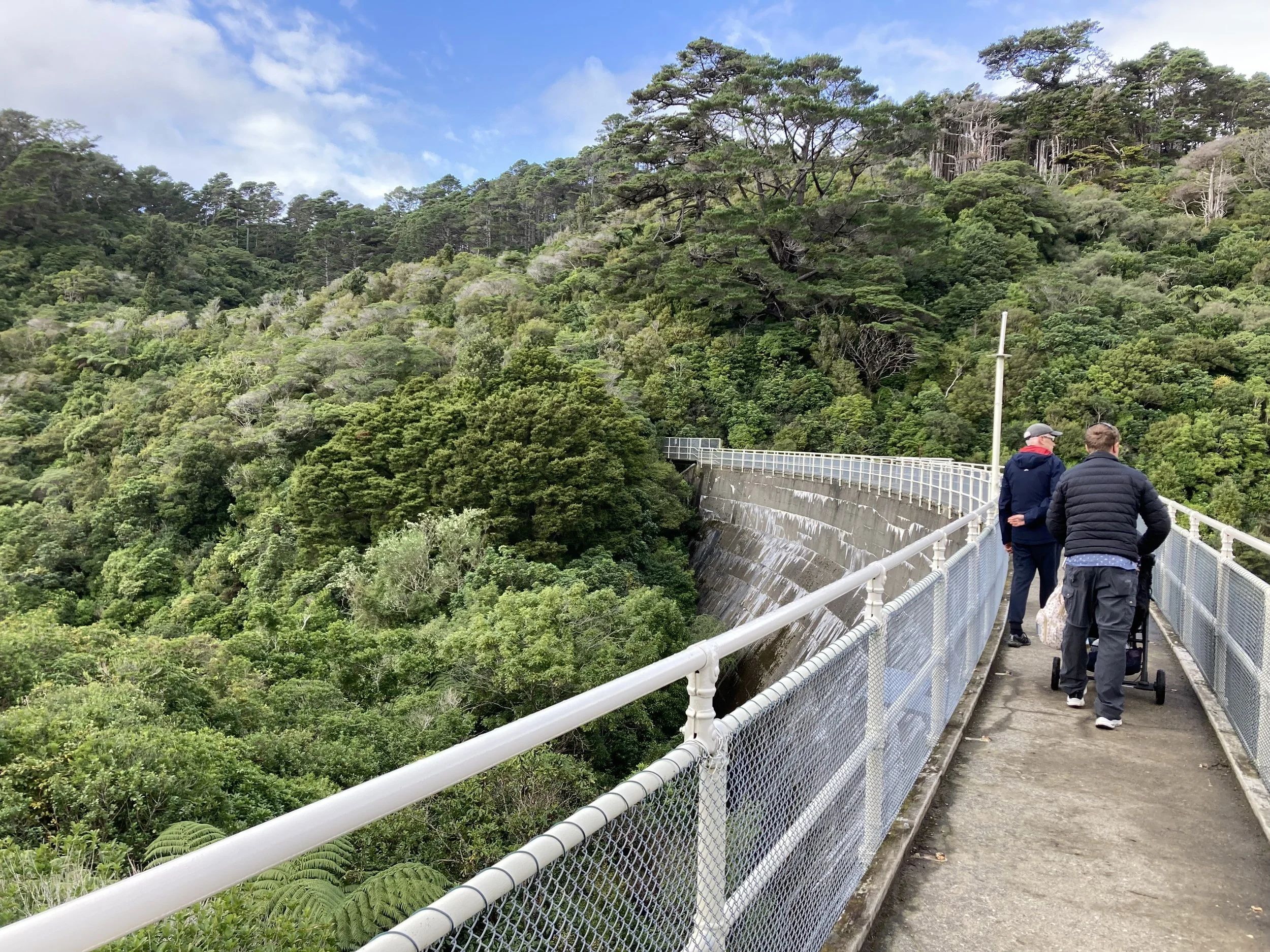
Zealandia, Wellington, April 2023. An Airbnb host gave our whole family a tour of Zealandia.
People who'd done it before
Before we moved, the Kiwiamericans website helped us a lot: Americans writing plainly about banks, taxes, slang and driving.
After we arrived, other movers became some of the people we leaned on. In 2023, right after Bradley's first job offer, we were staying at Waitārere Beach and had a video call with Tara of Kiwiamericans. She helped us work out where to live and which schools were good. In April 2024 we met her in person, for lunch in Days Bay. In January 2025 we met up in Ōtaki with the traveling family behind Our Offbeat Life, and the community around their channel.
Both turned into friendships. Tara made us feel less alone, because she'd made the same move we had. With Our Offbeat Life, our kids had another kid to play with. People a few steps ahead of you know the answers, and they remember how hard it was.
People who love what you love
Shared interests cross every border. In April 2024 we visited a Lord of the Rings fan's one-room museum in her home, and ended up in hobbit costume. You don't find that in a guidebook. You find it by following your interests and saying yes when someone says "come and see".
The regulars
The deepest invitation we had came from the simplest place: a barber in our village who cut our son's hair, then invited Bradley to a mau rākau class across from a marae. We tell that story in Becoming Part of a Place. The lesson for this guide: being a regular somewhere is how strangers start to see you as part of the place.
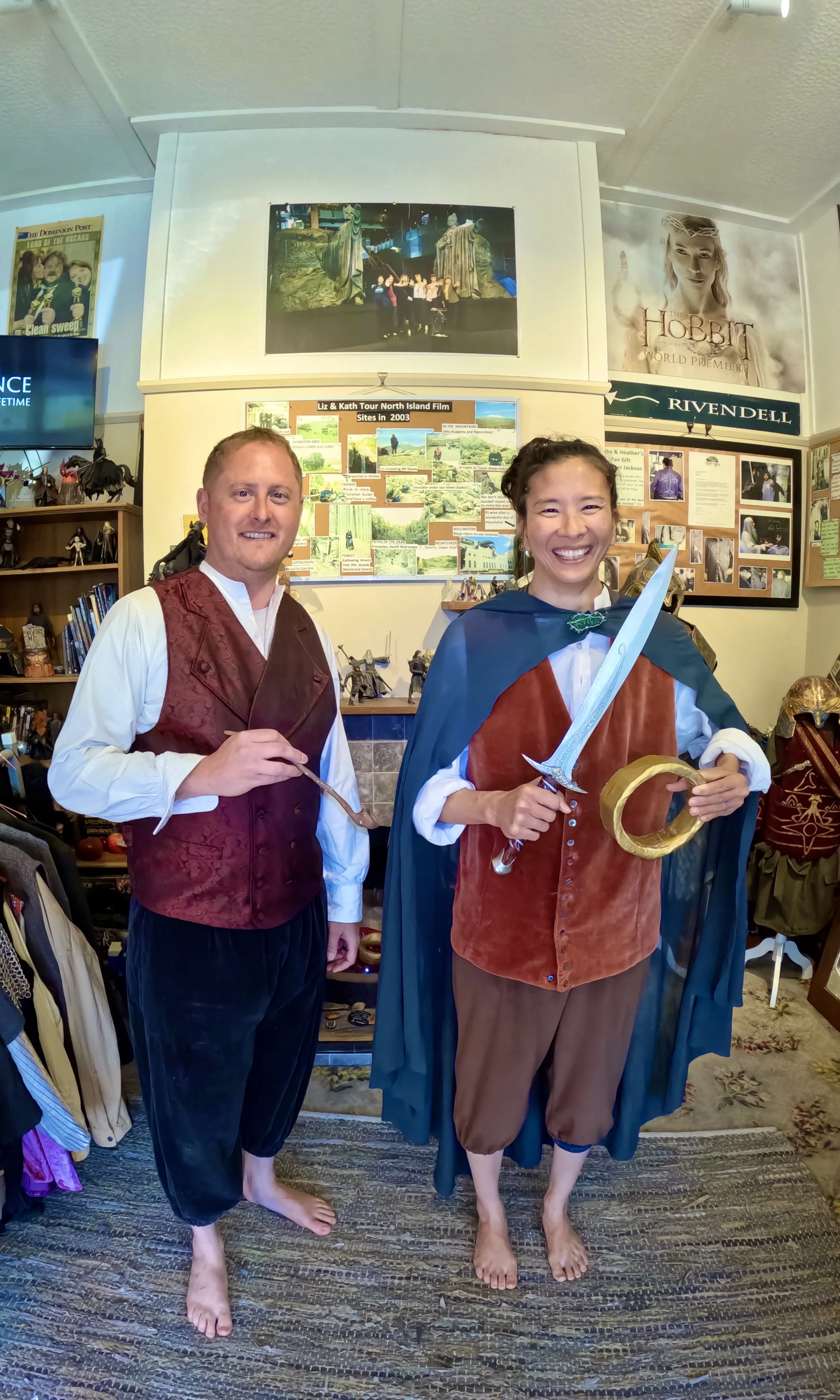
April 2024. Shared interests cross every border.
How to find your people
You can't plan friendship, but you can put yourself where it tends to happen.
Start online, then meet in person
Newcomer and expat groups. Most cities and regions have Facebook groups for new arrivals, and many for Americans in particular. They're good for practical questions, and the best ones run meetups.
Creators and bloggers who've moved there. Many run communities or meetups. That's how we met other movers in New Zealand.
Meetup and interest groups. Hiking, board games, running, photography, coding. Pick something you'd do anyway.
Local community pages. Neighborhood groups and community noticeboards are where you hear about the school fair, the beach cleanup and the market.
Online is a door, not a room. Use it to find the thing, then go in person.
Join something that meets regularly
Friendship mostly grows from seeing the same people again and again. One-off events are fun, but weekly things build community:
a sports club, running group or martial arts class
a volunteer group, community garden or conservation project
a choir, a language exchange or a class at a community center
a faith community, if that's part of your life
for veterans, a local veterans' association, like the RSA in New Zealand
If you have kids
Kids are the best icebreakers there are. Playgrounds, kindy, school pickup, swimming lessons and kids' sports all put you next to other parents week after week. Say hello, and suggest a playdate. Most parents are as glad of the company as you are.
Our daughter's best friend at kindy is how we got to know her family. We only sat down properly with her mom a few weeks before they moved away, and we both wished we'd connected sooner.
If you're an introvert
You don't have to work a room. Pick one regular thing and one regular place, and let familiarity do the work. A shared activity takes the pressure off talking. And one friend you see every week counts for more than a crowd you see once.
Give it time
The first few months are usually the loneliest, and that's normal. Don't judge a move by its first winter.
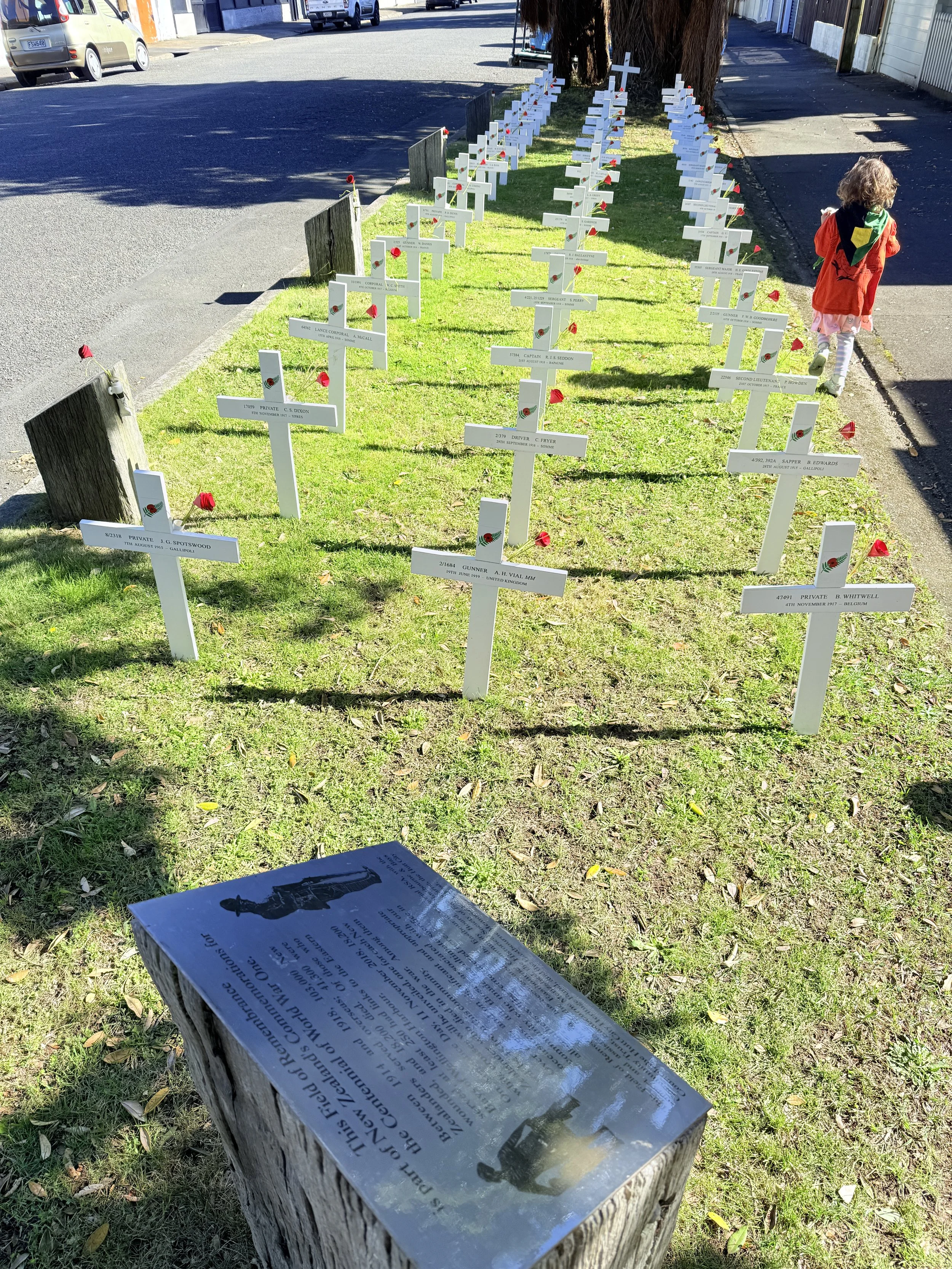
Eastbourne, Anzac Day 2025. Show up for the things locals show up for.
Don't only find other foreigners
Other newcomers are easy to find, because they're looking for you too. They're a real help, especially early on. But if every friend you have is from somewhere else, you're living next to a place, not in it.
Be the one who says hello first. In many places, locals already have their friends and families nearby. They're not unfriendly, just busy. A newcomer who makes the first move often gets a warm reply.
Accept invitations, and return them. Invite neighbors over for a barbecue or a cup of tea. Bring something when you visit.
Show interest in their place, not just in telling your own story. Ask about the history, the best walks, where to buy fish.
Learn some of the language and customs. It opens doors that English alone keeps shut. See Learning the Language and Culture.
Sometimes all it takes is a moment. Not long after we moved to the Waikato in 2026, a man in Hamilton told us, "What a beautiful family you have." It was a small thing. It made a new place feel a little more like home.
A short checklist
Join one online group for your new town, and go to one meetup
Pick one regular activity that meets every week
Become a regular at one café, shop or barber
Say yes to the next invitation you get
Invite one neighbor over
Make one local friend, not just foreign ones
Give it a year before you judge